
Ayala Corporation’s reparations to Sicogon’s farmers is a decade overdue
By Herbert Docena
With assets bigger than the entire GDP of some countries, the corporate giant can afford to transfer 70 hectares of land to a group of poor farmers in Sicogon, in line with a 2014 deal. Why is it insisting on treating the transfer as a “donation” and on setting so many conditions?
Just around three kilometers away is a small village, where some of those who used to live on or near the spot where Huni now stands have been “relocated.” No paved roads, no running water, and no electricity. Most of the houses are humble bungalows; all but a few have missing walls, windows, or roofs. In one of them, women are weeping in front of a white coffin.
They are at the wake of Alvin Colongon: the latest addition to the growing list of Sicogon’s displaced farmers who have passed on while waiting for something Ayala promised to give them a decade ago—in exchange for them giving up on one of their most cherished dreams.
Fondly called “Tay Albing” by his neighbors, Colongon is one of 216 landless farmers in Sicogon legally recognized as “agrarian reform beneficiaries” (ARBs) under the government’s Comprehensive Agrarian Reform Program. He had just turned 83.
Tay Albing applied to become an ARB in the early 2000s, then he helped form the Federation of Sicogon Island Farmers’ and Fisherfolks’ Associations (FESIFFA), together with fellow small cultivators harboring a simple dream: to finally own just enough land that they don’t have to live in fear of going hungry every monsoon season, when the sea becomes too rough and they cannot catch fish to exchange for rice in the mainland.
In March 2010—after years of being harassed by the private army of the owners of the land they wanted redistributed to them, Tay Albing and his fellow FESIFFA members thought they were about to finally realize this dream: The Department of Agrarian Reform (DAR) issued an “Order of Finality” ruling that 335 hectares of Sicogon’s land should be awarded to them.
This meant Tay Albing and other FESIFFA members would get around a hectare of land each: still not enough for subsistence, yet better than nothing.
But instead of implementing the ruling and telling Tay Albing and other FESIFFA members to get ready to install themselves on the land, government officials under the administration of the late President Benigno Aquino III started putting pressure on them and telling them the opposite: to just forget about land reform and agree to a deal with Ayala.
To FESIFFA members’ consternation, Ayala had apparently formed a joint venture with Sicogon’s landowners, hoping to develop the entire island into a tropical enclave—and the Aquino III administration wanted to ensure that this project proceeded even if it meant disregarding or not implementing one of its own agency’s “final and executory” ruling.
Tay Albing and other FESIFFA members—all of whom had previously refused to accept Ayala’s earlier offers of cash and housing in exchange for “voluntarily” leaving the island—continued to stand their ground and to resist.
But on November 8, 2014—in what they have since repeatedly described in so many letters and interviews as an act of “treachery” by someone they trusted, FESIFFA members were pushed by then National Anti-Poverty Commission chair Joel Rocamora to finally sign a deal that he (Rocamora) insisted is “fair” but which they (the farmers) immediately rejected as soon as they read its terms.
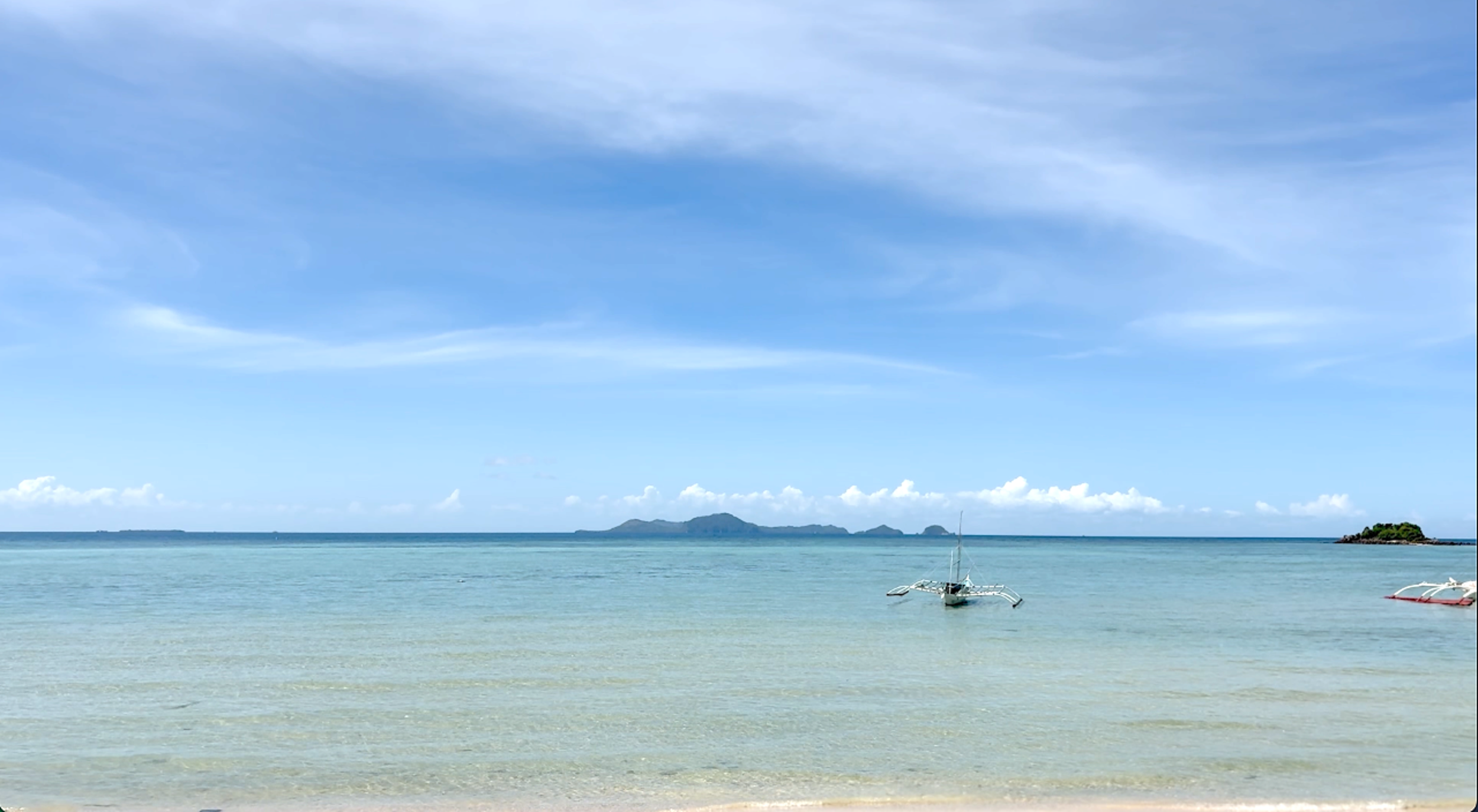
On the eastern shores of Sicogon, a small island off the northern coast of Iloilo, a new hotel stands where a small fishing village used to be. Kids are splashing around in a pool. A couple is sipping cocktails by a poolside bar. Other guests are watching the sun set from the balconies of their US$200-a-night rooms. They are at Huni: the new resort opened here in 2018 by Ayala Corporation, perhaps the most admired conglomerate in the Philippines.
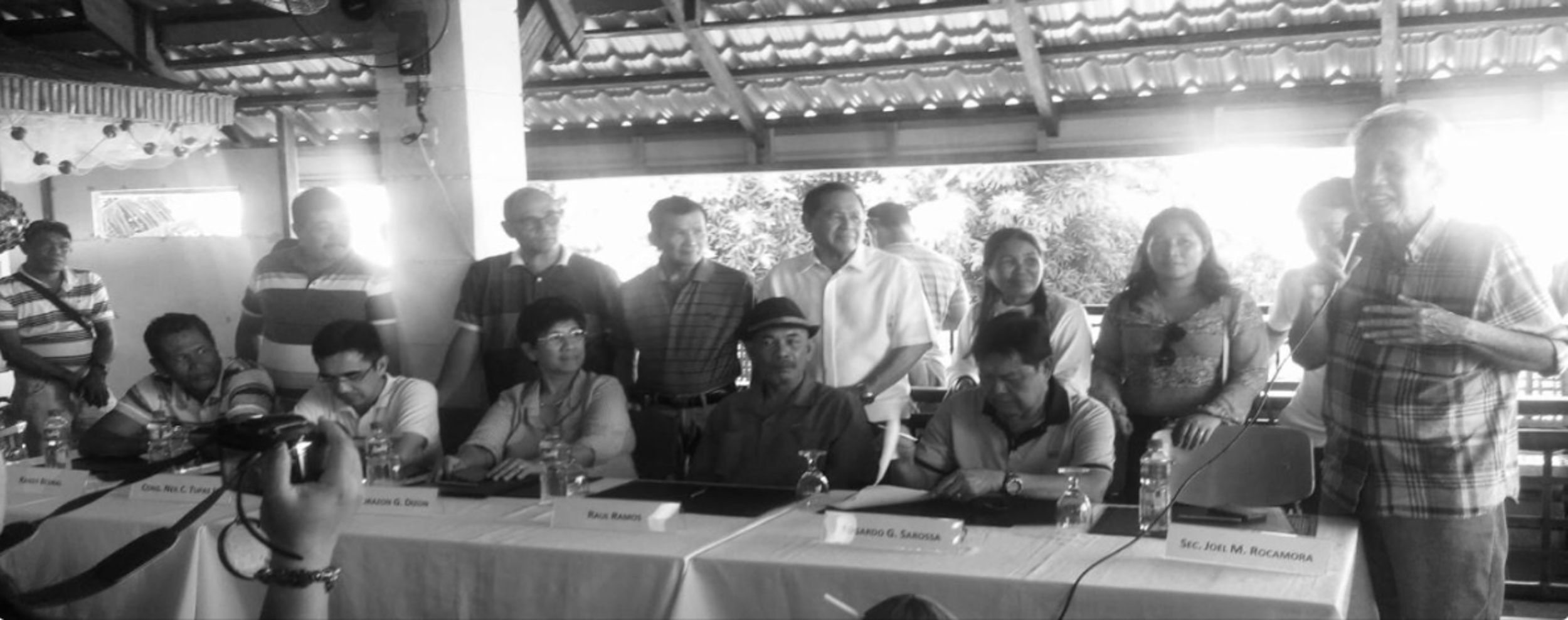
Signing of 2014 compromise agreement between Ayala Corporation and the Federation of Sicogon Island Farmers’ and Fisherfolks’ Associations, with then Secretary Joel Rocamora
Under the proposed deal, Ayala was to give FESIFFA members 40 hectares of agricultural land, 30 hectares of land for housing, and cash—but in exchange the latter were to give up all claims on the 335 hectares of land that DAR had already ruled should be theirs.
In short: they were to forget about land reform and settle for just around a fifth of a hectare of farmland each—far from enough land for them to live without fear of going hungry every typhoon season.
FESIFFA later declared Rocamora “persona non grata” in Sicogon, repudiated the deal, and campaigned for the government to implement DAR’s “Order of Finality” on Sicogon’s lands. But with the government continuing to refuse to carry out said order, FESIFFA eventually decided to just demand more concessions from the corporation while resigning themselves to the deal—all while maintaining that it is unjust and that they only abide by it under duress.
But now it has been over a decade since the deal was signed.
Tay Albing and 24 of Sicogon’s 216 “agrarian reform beneficiaries” have died without benefiting from either agrarian reform—or from the compromise deal they were forced to sign with Ayala. Around half or more of FESIFFA’s members are now in their 70s or 80s.
Though it has given FESIFFA members a fraction of the funds and the low-cost housing units it is obliged to give them, Ayala has yet to hand them what they deem most important: the titles to the 70 hectares of land they ought to receive in exchange for the much larger piece of land Ayala effectively took away from them under their 2014 agreement.
The reason for this decade-long delay, according to FESIFFA members, is simple: Ayala is insisting on transferring the 70 hectares of land as a “donation” and on imposing all sorts of conditions that, if violated, would constitute grounds for the land to be taken back by Ayala.
But FESIFFA has been refusing to accept this “donation,” maintaining that what Ayala must transfer is not a gift but “damage compensation” for the loss Ayala made them suffer—and that Ayala has no right setting any conditions on them.
The conditions include the following: that they build their houses a certain way (no second floors, no sari-sari stores, no wells, etc.); that they never do anything that would tarnish Ayala’s reputation (no protests, no movies like “Asog” where Ayala was cast in a bad light, no commentaries like this); that they do not do so many other things that could get in the way of their operation or future plans for Sicogon.
This is clearly not just about land—it is about power.
By casting themselves as gift-givers, Ayala seeks to treat FESIFFA members not as the aggrieved parties that they are but as the lowly recipients of their benevolence. The goal is to make FESIFFA members behave a certain way: not as proud and resilient survivors of an injustice but as humble supplicants who should be forever grateful to them and therefore also docile before them, their supposedly generous benefactors.
A FESIFFA member I interviewed put it in plainer terms: They want “to put us on a leash and treat us like carabaos.”
Not having succeeded in removing all FESIFFA members from Sicogon as it had originally wanted, Ayala has been forced by FESIFFA’s resistance to move on to their “Plan B.” They would allow them to stay on the island, but they would also keep trying to contain their presence and control their movements there. So they stay away from their guests. So they do not interfere with their operations. So they don’t take away ground water for their infinity pool. So they have a minimal, almost invisible presence on the island. So they stay in their place and not stray where Ayala does not want them to go—like good carabaos.
This is unacceptable.
The compromise deal imposed on Sicogon’s landless farmers by Ayala with the help of the state is itself already patently unjust and should be revoked. A group of small people who have lived in fear of going hungry all their lives should never have been forced to give up land to a conglomerate whose total assets is already worth more than the GDP of some countries. The country’s land reform law, diluted as it is, should never have been shunted aside just so that a corporate giant could grow even bigger and make even more profits.
But until the 2014 deal is nullified and the country’s land reform law is finally implemented in Sicogon, Ayala should, at the very least, desist from treating FESIFFA members as carabaos. It should honor its obligations to them immediately by irrevocably and unconditionally returning at least part of the land it effectively seized from them in 2014—now before more of them die.
Herbert Docena, PhD is an educator and researcher. He spent the past year living in Sicogon to produce a documentary film on the two-decade-long struggle for land in the island and to write a people’s history of this struggle.